Home Services Indigenous Website Design
Indigenous website design

Websites that belong to the Nation.

We design and build websites for First Nations governments and Indigenous organizations. The listening happens before the design does, and the finished site is one your own team can run.

Selected work Tŝilhqot’in National Government Nisg̱a’a Nation Nisg̱a’a Language & Culture TNDC
Why it's different work

A Nation's website isn't just marketing. It's how the Nation serves its members.

Your website is where members go for governance decisions, job postings, housing updates, health and education programs, and emergency notices. It has to work for an Elder checking a notice from home on a slow rural connection, and for the staff member who needs to post it before lunch.

We've been doing this work for almost a decade. Every Nation is different, and each project has shaped how we approach the next one. What we've learned

15+years working with First Nations governments
100+projects for Nations, nonprofits and public agencies
11 yrsour longest client partnership
The work

Built for Nisg̱a’a, Tŝilhqot’in and Tahltan communities.

Every site below is live and in daily use. Hover over one to scroll through the real page.

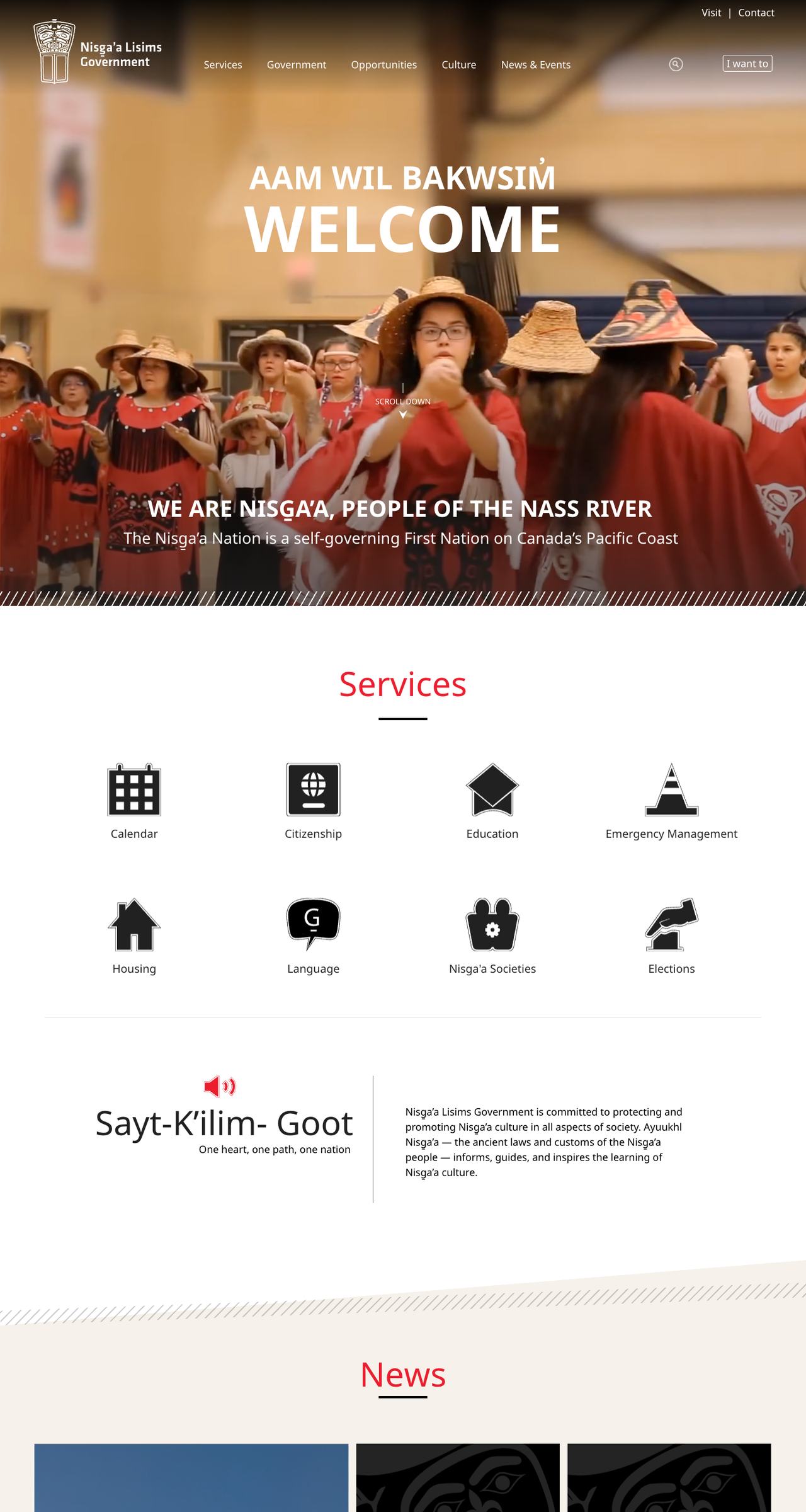
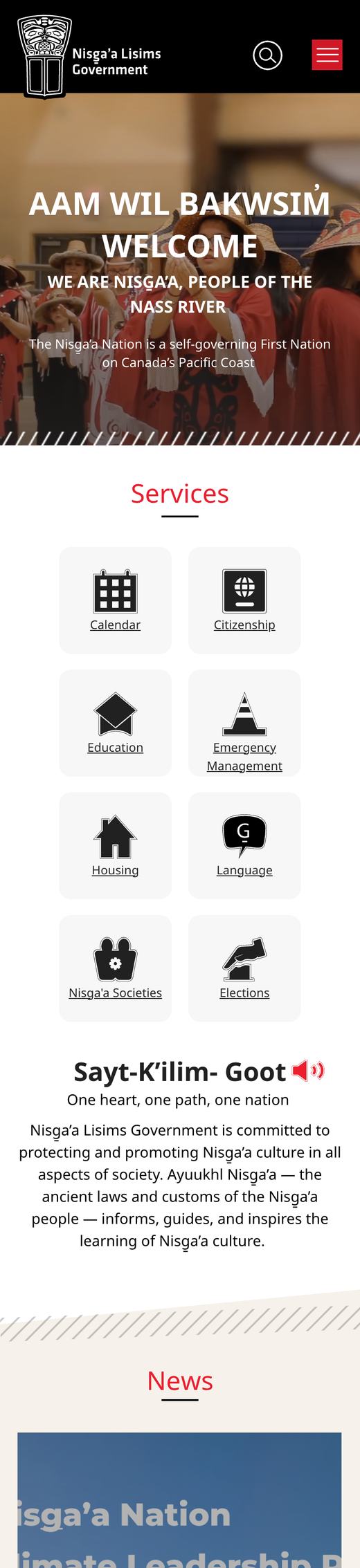
Indigenous website design for Nisg̱a’a Nation: nisgaanation.ca on a laptop
9:41
nisgaanation.ca on a phone, built mobile-first for members on the go
Web

Nisg̱a’a Nation

A self-governing Nation's services, one tap from the homepage: calendar, citizenship, education, emergency management, housing, language, societies and elections.

“We are Nisg̱a’a, People of the Nass River”

nisgaanation.ca
Visit nisgaanation.ca
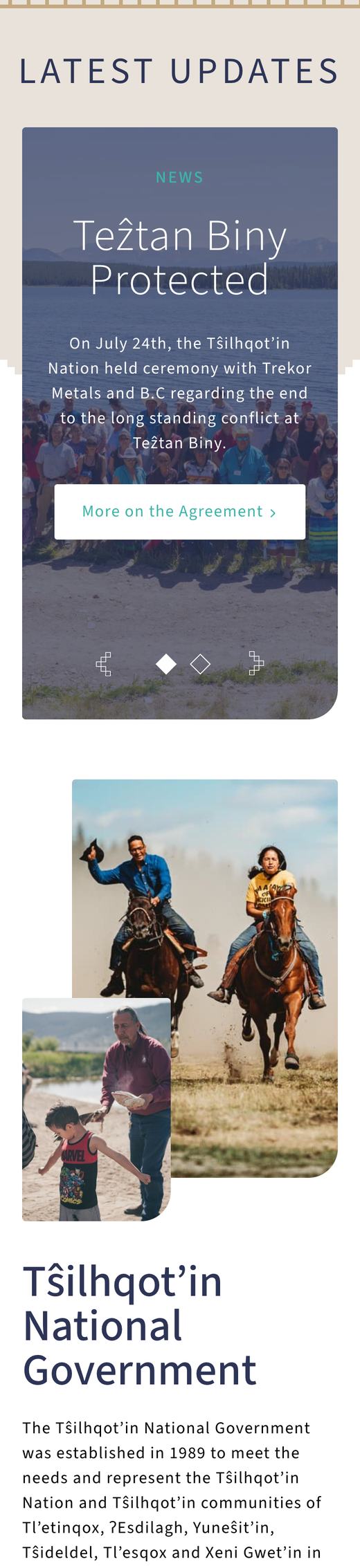
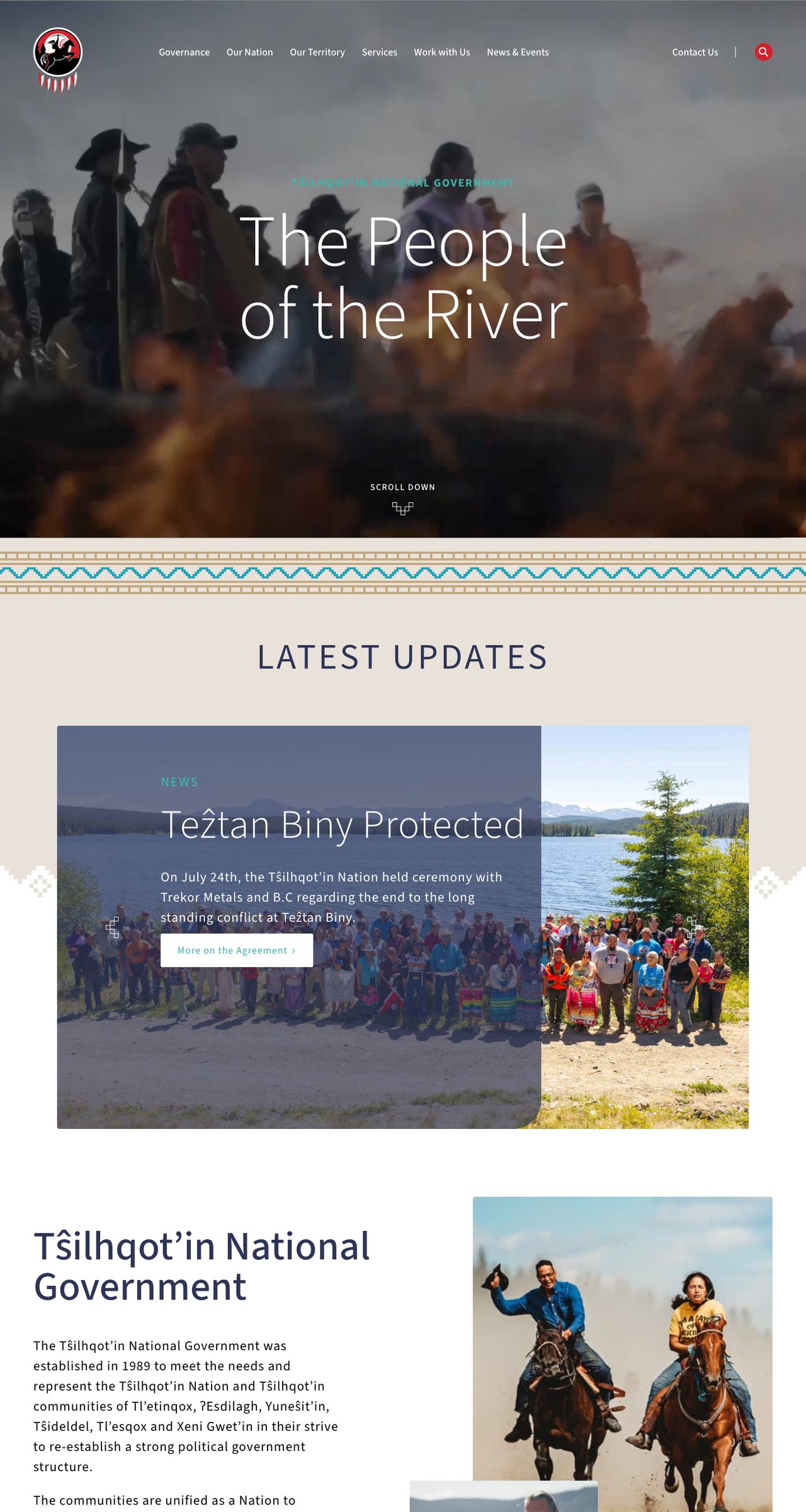
Indigenous website design for Tŝilhqot’in National Government: tsilhqotin.ca on a laptop
9:41
tsilhqotin.ca on a phone, built mobile-first for members on the go
Web · Brand · SEO

Tŝilhqot’in National Government

The public home of the Tŝilhqot’in Nation, carrying governance, territory, services, careers and news.

“The People of the River”

tsilhqotin.ca
Visit tsilhqotin.ca
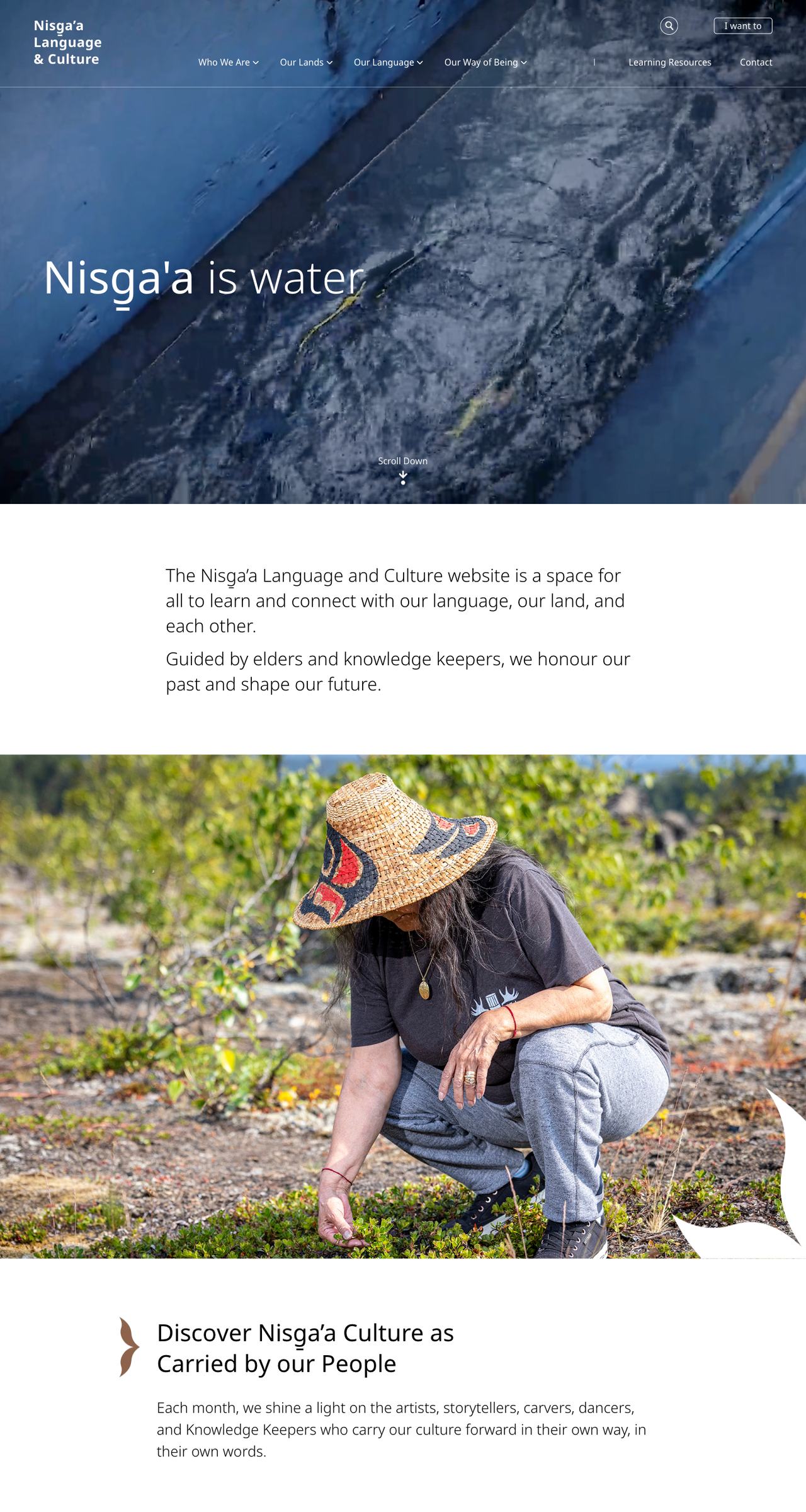
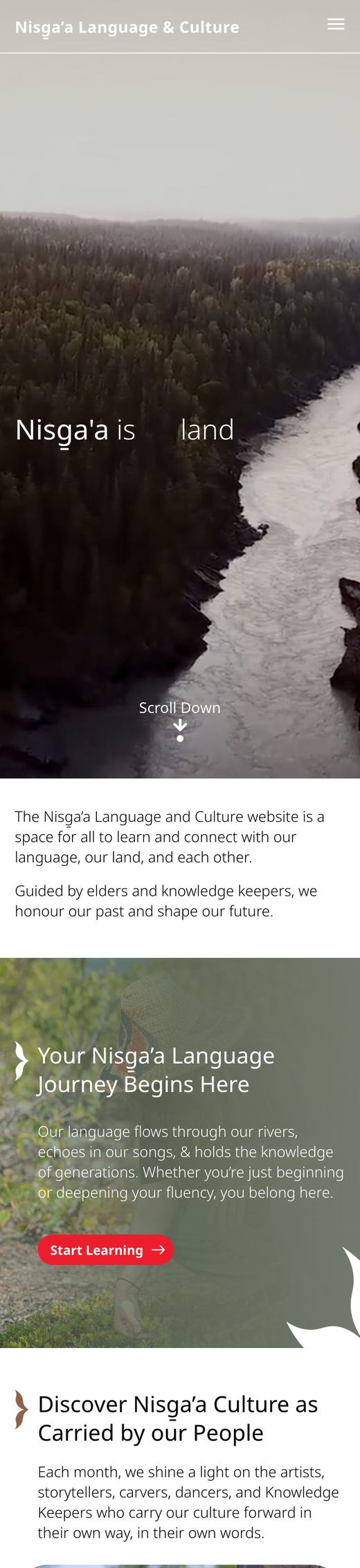
Indigenous website design for Nisg̱a’a Language  Culture: nisgaalanguage.ca on a laptop
9:41
nisgaalanguage.ca on a phone, built mobile-first for members on the go
Web

Nisg̱a’a Language & Culture

Language learning and cultural stories, written in the language's own orthography and guided by Elders and knowledge keepers.

“A space for all to learn and connect with our language, our land, and each other.”

nisgaalanguage.ca
Visit nisgaalanguage.ca
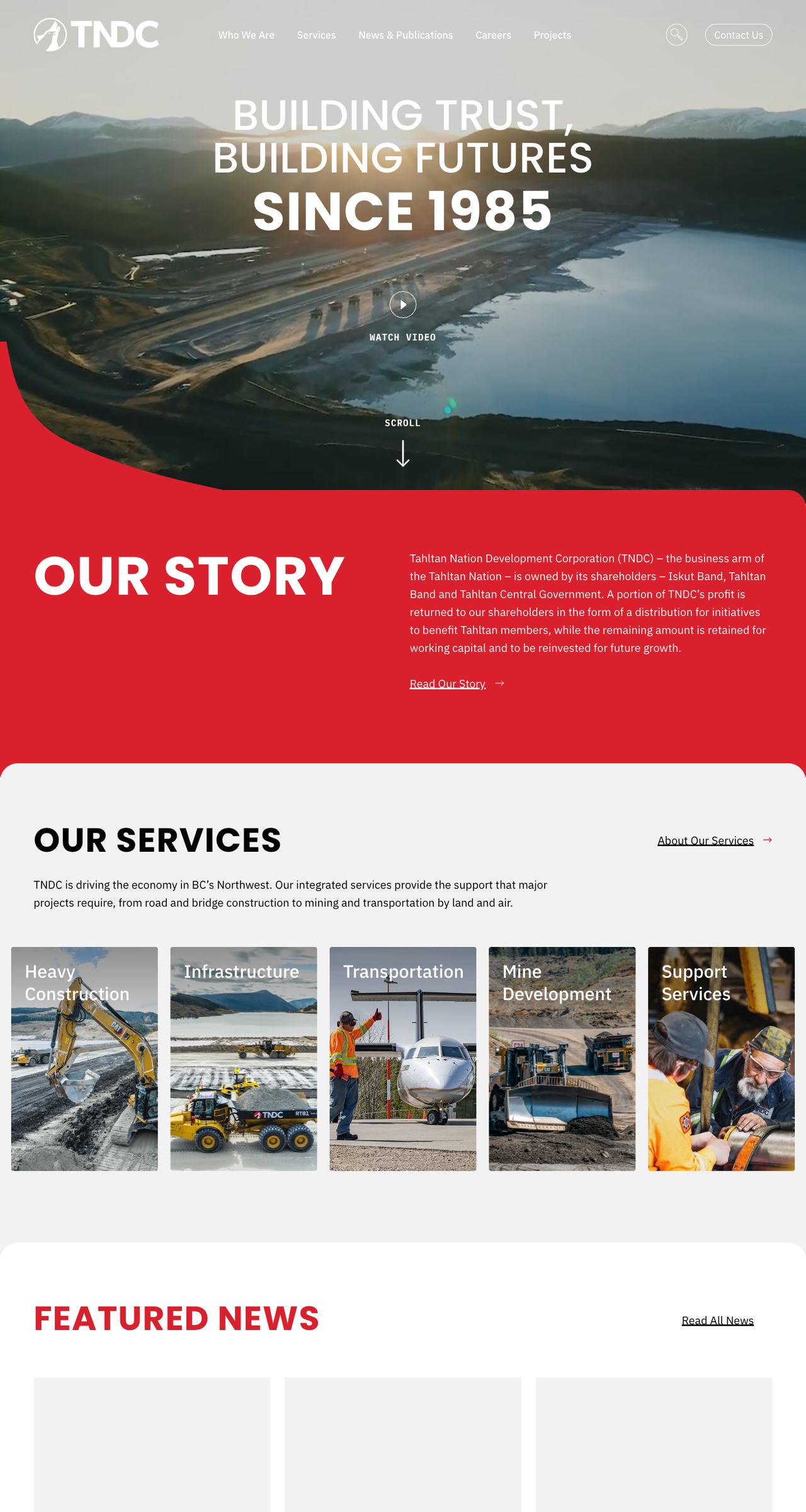
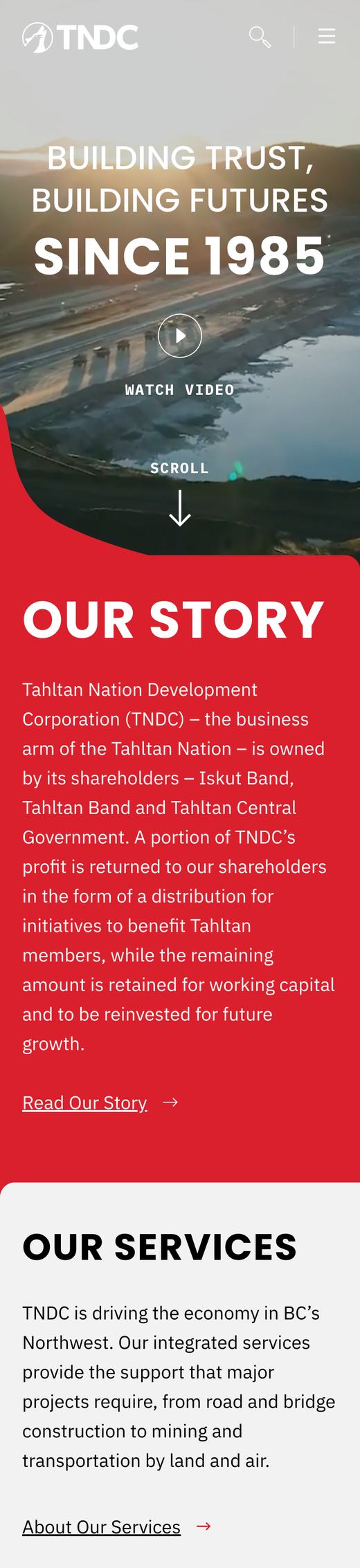
Indigenous website design for TNDC: tndc.ca on a laptop
9:41
tndc.ca on a phone, built mobile-first for members on the go
Web

TNDC

The business arm of the Tahltan Nation, owned by the Iskut Band, Tahltan Band and Tahltan Central Government. One site speaks to project owners looking for a contractor and to Tahltan members looking for work.

“Building trust, building futures since 1985.”

tndc.ca
Visit tndc.ca
How we work

From the first council meeting to years after launch.

01

Listen before anything is designed

Every Nation is different. Some are focused on language, others on land, economic development or health, and plenty are working on all of it at once. The work that decides whether a site serves the community happens in stakeholder conversations, council presentations and community input sessions, so that's where we start.

CouncilStaffCommunity
02

Design from the Nation's own identity

No generic Indigenous-themed templates, stock landscapes or motifs borrowed from other Nations. The colours, patterns and artwork come from your community, developed with your artists and knowledge keepers, and part of the job is knowing what to leave out.

Community artistsKnowledge keepersPermission
03

Organize it around what citizens come for

People arrive looking for a job posting, council minutes, a housing application or an emergency notice. The structure follows those tasks, by service and by urgency, rather than the org chart.

ServicesUrgencyNavigation
04

Spell it right

Nation names, place names and teachings use characters most fonts never drew. We test your orthography in the typefaces and on real phones, so a Nation's name never turns up with an empty box in the middle of it.

OrthographyFontsLanguage content
05

Build for rural connections and older phones

A lot of community members read the site on an older phone over a patchy connection. Pages stay light and fast, and accessibility is built in to WCAG 2.1 AA from the start rather than patched on later.

MobileSpeedWCAG 2.1 AA
06

Hand it to your team, then stay

A site nobody can update falls apart within a year. Training, documentation and a CMS matched to your team's capacity are part of the build, and most of our clients stay with us after launch. Our longest partnership is eleven years.

TrainingDocumentationSupport
Language

Your Nation's name, spelled right on every screen.

Nation names and place names are written with characters plenty of popular web fonts simply don't include. When a font is missing one, the browser borrows that letter from whatever font the device happens to have, or leaves an empty box where it should be.

Our own headline typeface is one of them. It has no ŝ, so on this page every one of these characters is handed to Noto Sans, a typeface drawn to cover them. It's a check we run before any site goes live.

Tŝilhqot’in
U+015D · s with circumflex
tsilhqotin.ca
Nisg̱a’a
g + U+0331 · combining macron below
nisgaanation.ca
ʔEsdilagh
U+0294 · glottal stop
tsilhqotin.ca
Teẑtan Biny
U+1E91 · z with circumflex
tsilhqotin.ca
Ayuuḵhl Nisg̱a’a
U+1E35 · k with line below
nisgaalanguage.ca
xʷməθkʷəy̓əm
y + U+0313 · combining comma above
our own land acknowledgment
Who it's for

Nations, and the organizations they build.

01

First Nations governments

Governance, citizenship, housing, health, education and emergency information, for members on and off territory.

02

Development corporations

Nation-owned businesses that need to win contracts and recruit members, often from the same website.

03

Language and culture programs

Learning resources, stories and teachings, presented the way the community wants them shared.

We also work with Indigenous-serving organizations across British Columbia and Canada, and with the public agencies that work alongside them. Government and public sector websites

Comparing agencies? See the six that name First Nations government work, and the questions to ask them.

Search and AI

When someone asks about your Nation, the answer should come from you.

More people now ask an AI assistant before they open a search engine, and those assistants lean on official, first-party sources. A Nation is the official source on its own governance, territory and language, but only if the pages exist for an assistant to find and quote.

We handle SEO and AI search in the same partnership as the website, so the site is built to be found and quoted from the day it launches. AI search optimization

Questions

Cost, timelines and other questions councils ask.

Indigenous website design is designing and building websites for First Nations governments, Nation-owned businesses and Indigenous organizations with the community rather than for it. In practice that means consultation with council, staff and members before any design starts, a visual identity drawn from the Nation's own art and colours with permission, information organized around the services members come for, correct spelling of the Nation's language on every screen, and a site the Nation's own team can run. Ideahack has done this work for almost a decade, including for the Tŝilhqot’in National Government, the Nisg̱a’a Nation, Nisg̱a’a Language & Culture and TNDC.

Look for an agency that treats community consultation as the real work rather than a formality, designs for rural connections and older phones, and builds your team's ability to run the site without going back to the vendor. Ask to see sites they've built for Nations that are still in use. Ideahack's work includes the Tŝilhqot’in National Government, the Nisg̱a’a Nation, the Nisg̱a’a Language & Culture site and TNDC, across almost a decade of work with First Nations governments and Indigenous organizations.

Before any design work begins. The part of the project that matters most happens in stakeholder conversations, council presentations and community input sessions, because every Nation's governance structure and priorities are different. Plan time for it, and treat what comes out of it as the brief. Consultation handled as a discovery checkbox is the most common way these projects end up serving the agency instead of the community.

Only the ones that belong to your Nation, and only with permission. Generic pan-Indigenous templates, stock landscape imagery and motifs like feathers or dreamcatchers borrowed from other Nations are the most common mistake. Good design starts from your community's own colours, patterns and artistic traditions, developed with community artists and knowledge keepers, and it includes knowing when to leave certain elements out entirely.

Yes, but it's worth checking rather than assuming. Plenty of popular web fonts don't include characters like ŝ, ḵ, ʔ or a combining macron below, and when one is missing the browser swaps in a different font for that single letter or shows an empty box. We check your orthography against the typefaces, choose fallbacks that cover it, and test on real phones before launch.

Most of our website projects run 4 to 6 months from kickoff to launch. Projects with a community consultation phase or several approval steps take longer, and we plan for that at the start rather than discovering it halfway through.

It depends on the work. A site with community consultation, brand work and content from several departments is a different project from a focused rebuild, so we scope and price against what's actually needed rather than a package. We'd rather talk about budget early, and if a smaller first step makes more sense, we'll say so.

Your team gets training, documentation and a CMS set up for the people who'll actually update it. Most of our clients stay on with us for security updates, content support and the small changes that pile up, and we can support the Nation with SEO and AI search optimization so people actually find the site once it is live. Our longest relationship is eleven years.

No, and we'd rather you hear that from us than find out later. Ideahack is a Vancouver agency that has spent almost a decade building websites with First Nations governments and Indigenous organizations, including the Tŝilhqot’in National Government, the Nisg̱a’a Nation, Nisg̱a’a Language & Culture and TNDC. Each project is shaped by the Nation from the first council meeting: its own art and colours used with permission, its language spelled correctly on every screen, and a site its own team can run long after launch.

Accessibility runs through all of this. Accessible website design

Planning a website
for your Nation?

Tell us what you're working on. We'll be honest about whether we're the right fit.

Start a conversation