Context. Complexity. Real outcomes.
Over the past 15 years, we've shipped more than 100 projects for nonprofits, public agencies and First Nations governments across web design and development, branding, digital strategy, SEO, AI search, and Google Ads. Here's a selection of the work we're most proud of.
Start a Project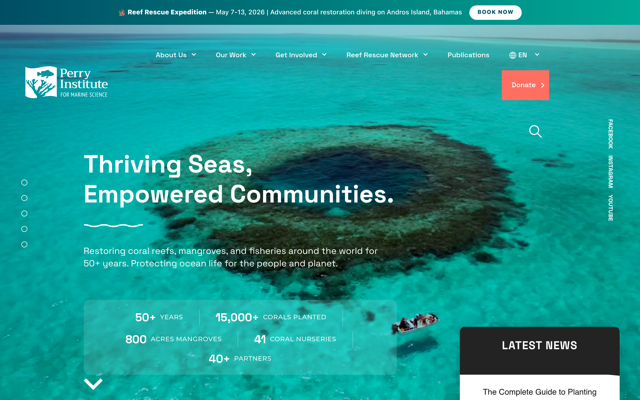 © PIMS
Perry Institute for Marine Science
Global coral conservation and marine research
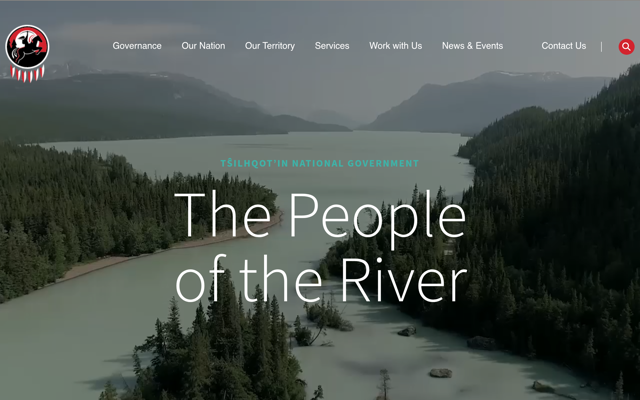 © TNG
© TNGTŝilhqot'in National Government
The People of the River
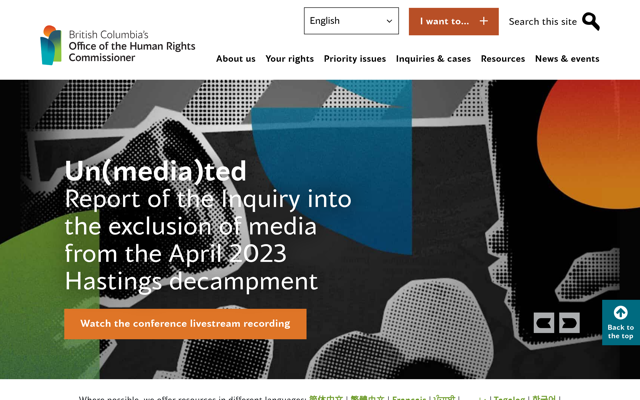 © BCHR
BC Human Rights Commissioner
Championing human rights for all
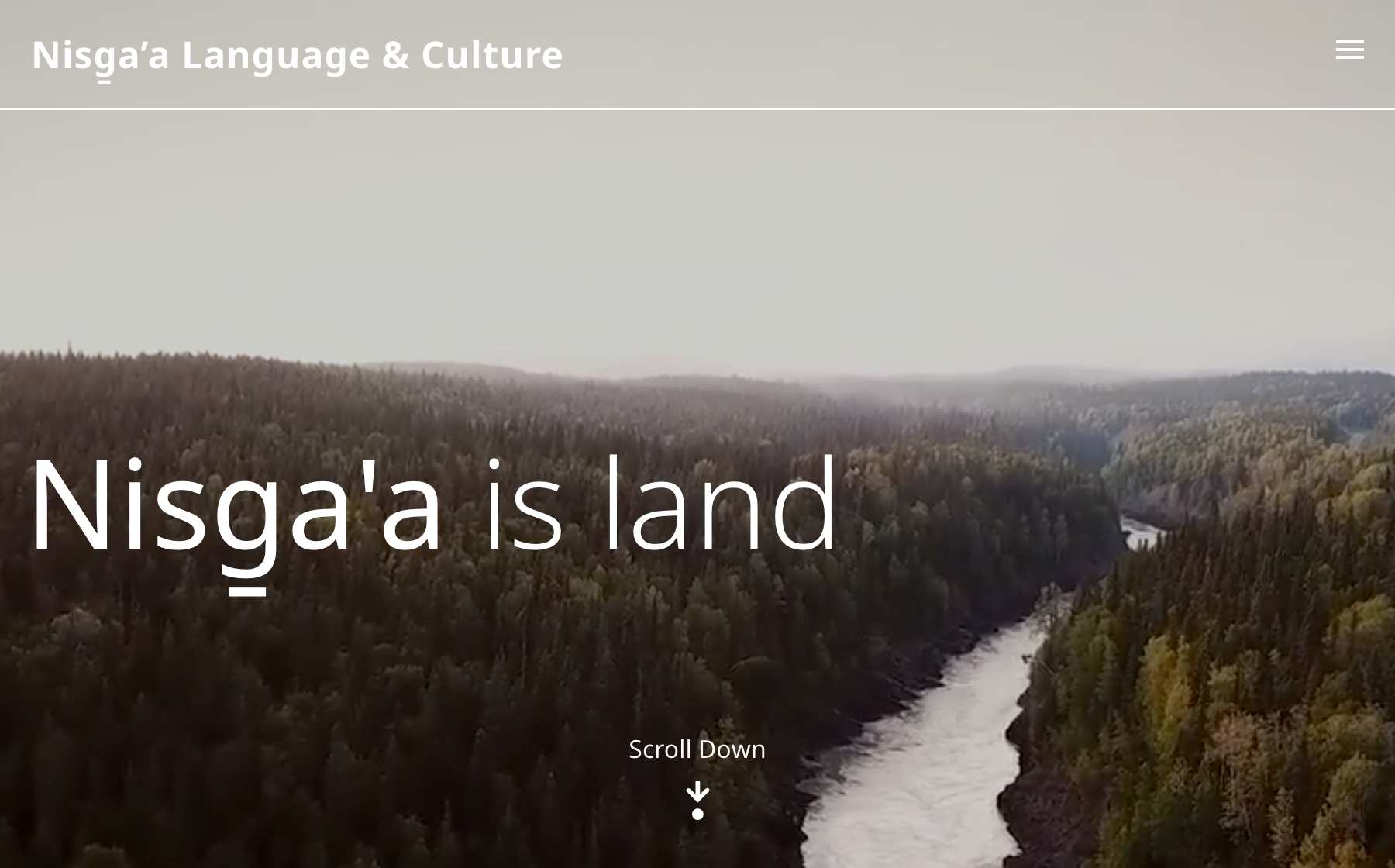 © Nisga'a Language
Nisga'a Language
Preserving and revitalizing the Nisga'a language
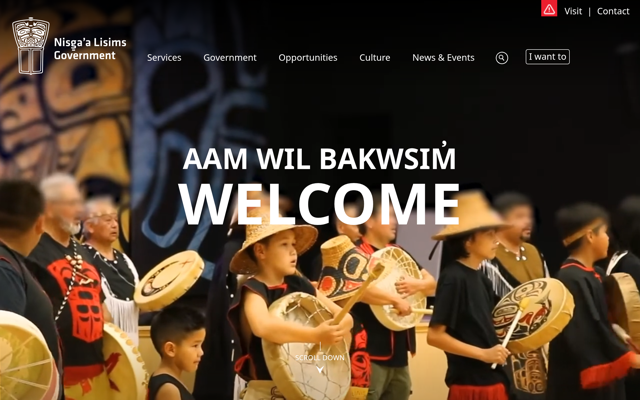 © Nisga'a Nation
Nisga'a Nation
Self-governing First Nation of the Nass Valley
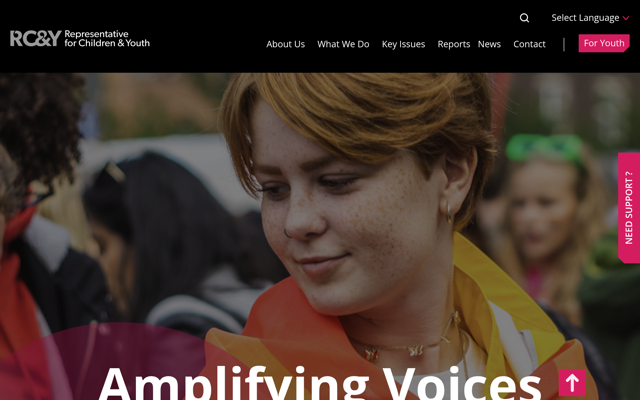 © RCY
© RCYRepresentative for Children & Youth
Advocating for BC's most vulnerable
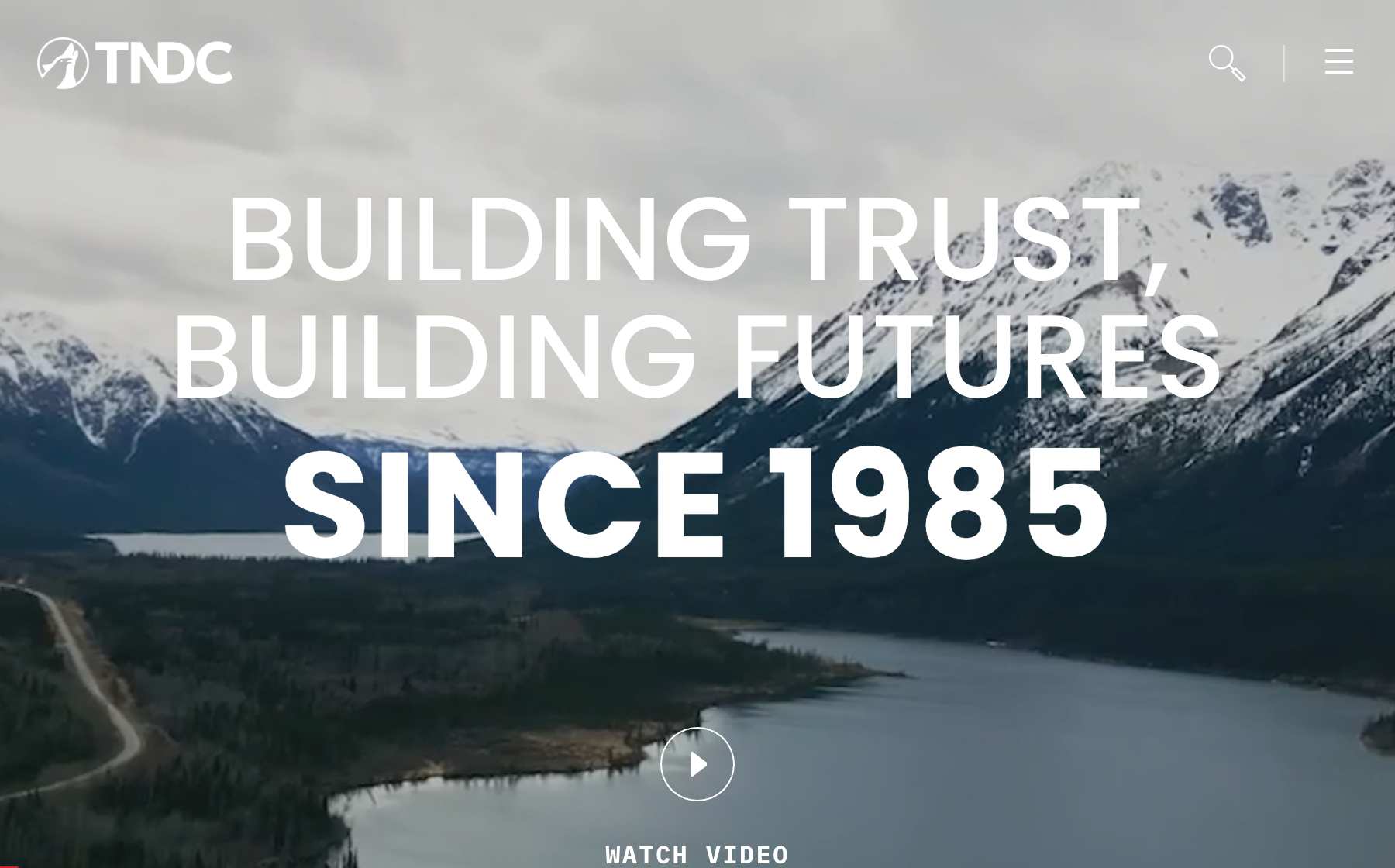 © TNDC
TNDC
Economic development and infrastructure for the Tahltan Nation
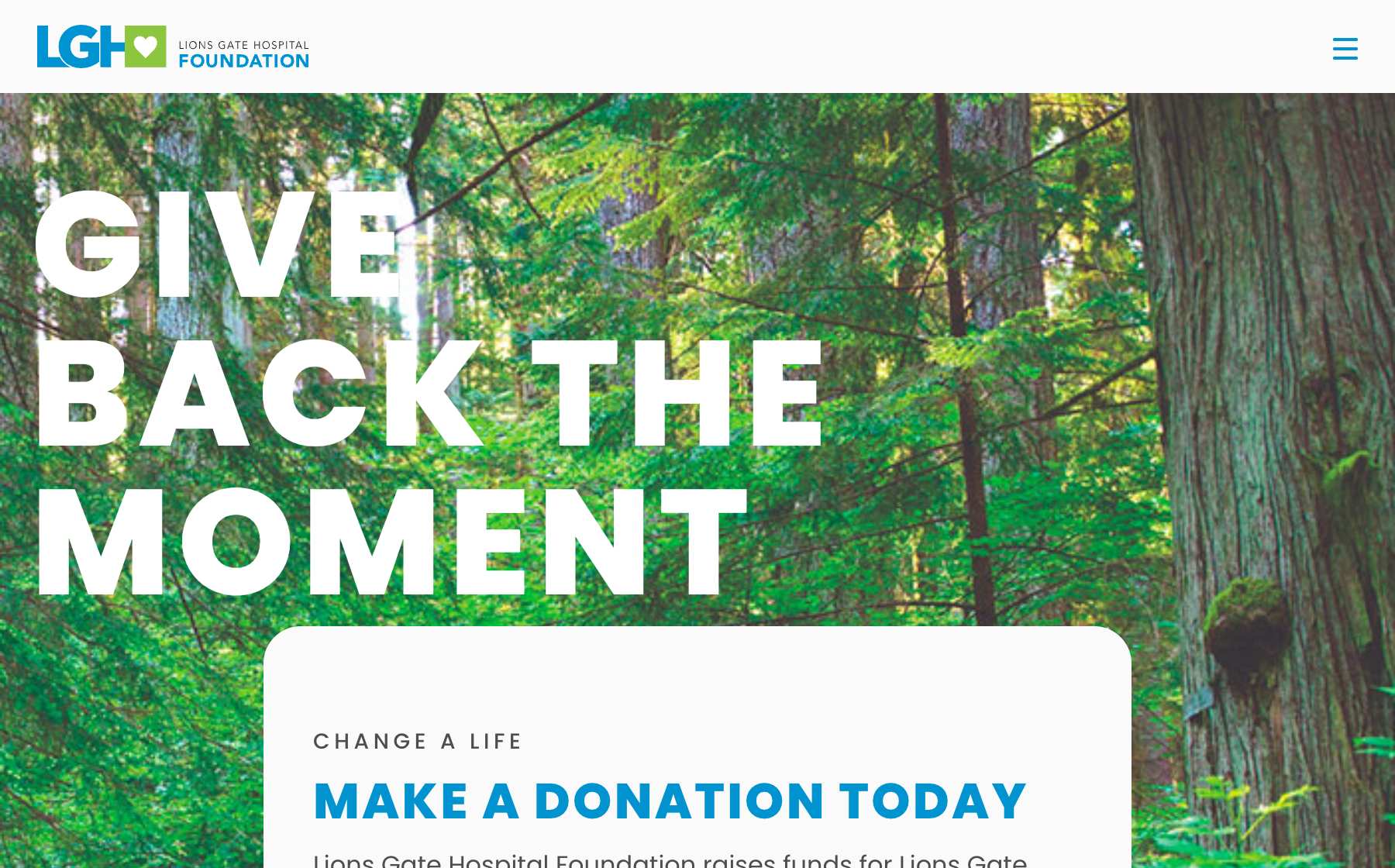 © LGH Foundation
Lions Gate Hospital Foundation
Raising funds for Lions Gate Hospital and North Shore health care
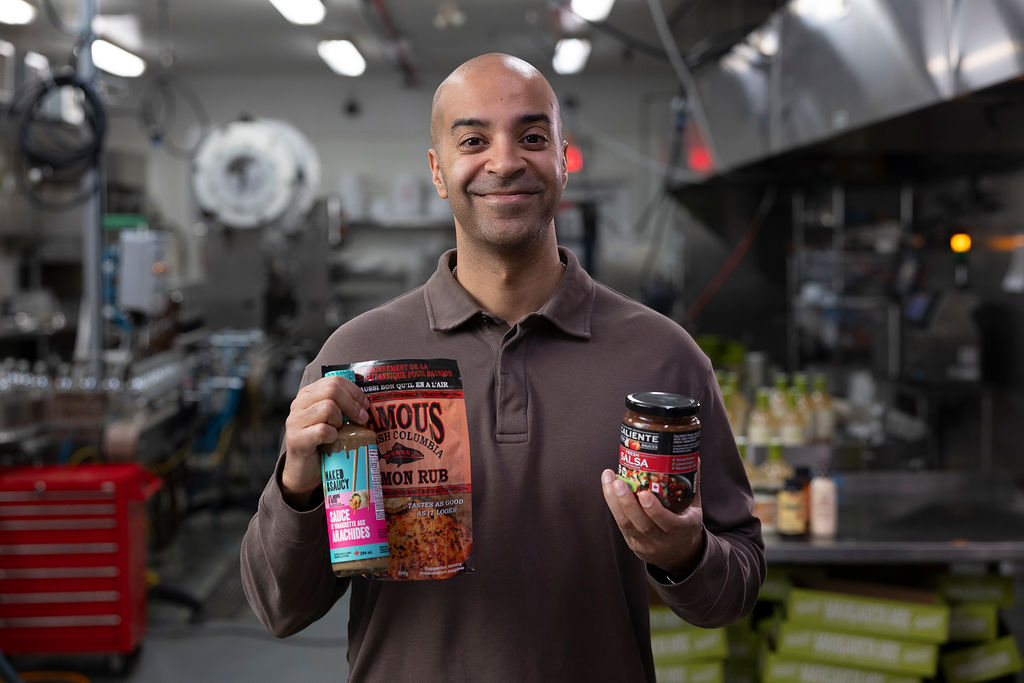 © Hummingbird
Hummingbird Foods
Sauce co-packing and private label, found by the right buyers
Websites people have to be able to use.
Almost everything above shares a set of constraints that commercial web design rarely deals with. The audience is everyone, not a target demographic. The organization answers to a council, a board or a legislature. There are legal obligations around accessibility. The budget is public money or donated money, so it has to be defensible. And the team inheriting the site is usually one or two people who have a dozen other jobs.
Those constraints are the reason we work the way we do: consultation before design, information architecture built around the task somebody arrived to do, accessibility handled during the build rather than after it, and documentation and training at handover so the site does not quietly decay the moment we step back.
Three kinds of client, three different problems.
First Nations governments and Indigenous organizations
Four of the projects above are for First Nations governments and Indigenous organizations, including the Tŷilhqot’in National Government, the Nisga’a Nation, the Nisga’a Language programme and TNDC. A Nation’s website is not a marketing exercise, it is infrastructure. It carries governance decisions, housing applications, employment postings, health and education programming, language revitalization and emergency information, and it has to work for Elders accessing services from home as well as staff running departments day to day.
The work that decides whether one of these projects succeeds happens before any design: stakeholder conversations, council presentations and community input sessions. We wrote up what we have learned in web design for First Nations governments
How we run these projects, from the first council meeting to handover: Indigenous website design
Government offices and public agencies
Two of these are independent statutory offices in British Columbia: the BC Human Rights Commissioner and the Representative for Children and Youth. Offices that report to a legislature rather than a ministry have a particular problem, because they have to be visibly independent while still being unmistakably official, and their audiences include some of the most vulnerable people in the province.
Public sector work also brings obligations a corporate site never faces. Accessibility is law rather than preference, procurement adds its own requirements, and the site has to keep working through elections, reorganisations and staff turnover. More on how we handle both: government and public sector websites and accessible website design
Nonprofits and purpose-driven organizations
Nonprofits are usually running the same digital operation as a mid-sized company on a fraction of the staff, and every hour spent fighting the website is an hour not spent on the mission. The Perry Institute for Marine Science is the clearest example of what changes when the search side is done properly: organic impressions up 56% year over year, average ranking position from the bottom of page two to the top of page one, and monthly sessions from around 2,000 to nearly 9,000 in a year.
Registered charities are also sitting on up to $10,000 a month of free Google advertising that most of them barely touch. See the full case study or how we handle Google Ad Grant management
How this work actually runs.
How should a First Nations government run community consultation for a website redesign?
Start before any design work, with a clear statement of what is genuinely open for input. Hear from council and leadership, the staff who will publish and maintain content, Elders and knowledge keepers, youth, and members living off territory, using a mix of community sessions, short surveys, staff interviews and conversations at events people already attend. Ask about the tasks people struggle with rather than design preferences, settle consent for photos and cultural content early, and report back what you heard before anything is built. Ideahack runs this kind of consultation, including council presentations and community input sessions. The full method is at how to run community consultation for a First Nations website redesign.
Which web agencies build websites for First Nations governments in Canada?
Ideahack has done this work for almost a decade, including the Tŝilhqot’in National Government, the Nisg̱a’a Nation, Nisg̱a’a Language & Culture and TNDC. Each project is shaped by the Nation from the first council meeting: its own art and colours used with permission, its language spelled correctly on every screen, and a site its own team can run. More at Indigenous website design.
Do you build for statutory offices and public agencies?
Yes. Ideahack has built for independent statutory offices in British Columbia including the Representative for Children and Youth and BC’s Human Rights Commissioner. These offices have a particular problem: they have to be visibly independent while still being unmistakably official, and the site has to carry reports, investigations and public-facing services at once. See government website design.
Are the sites you build accessible?
Every project is built to WCAG 2.1 Level AA, applied from the first screen rather than audited at the end, with testing on real assistive technology and documents included in scope. Ideahack also publishes a shortlist of BC firms doing this work at WCAG compliant websites in BC.