In the second week of August 2026, ChatGPT quietly changed where it gets its answers. Reddit citations fell off a cliff, and the sources that filled the gap were reference sites and official, first-party pages. If your organization has spent years being talked about in forums and press coverage rather than being the clearest source on its own subject, this is the most consequential thing to happen in AI search this year, and it moves in your favour.
Here’s what changed, how we know, and what we’d actually do about it if you’re a nonprofit, a First Nations government or a public agency in Canada.
What happened to ChatGPT’s Reddit citations
The clearest measurement we’ve seen comes from Otterly.AI, which tracks which sources AI engines cite, daily, across sixteen brand reports in fourteen unrelated industries. Their finding, published in late August 2026: ChatGPT’s citations to reddit.com fell by at least 73% in mid-August. All sixteen reports lost Reddit citations. Three lost every single one.
Two details make that number worth trusting rather than filing under “AI changes weekly.”
- They carried the denominator. A domain losing citations can mean the engine stopped choosing it, or it can mean the engine simply returned fewer citations that week. Those look identical unless you measure total citation volume alongside. ChatGPT’s overall citations actually rose about 3.5% across the same window. It was citing more, and citing Reddit far less.
- They checked the other engines. Google, AI Mode, Gemini and Perplexity moved 0.6% over the same period, which is nothing, and went on citing the very Reddit threads ChatGPT dropped. A change that appears in one engine and not the others can’t be a change on Reddit’s side.
That second point rules out the explanation most people reach for first, that Reddit cleaned up its own content. If those posts had been removed, they’d have vanished from every engine at once. They didn’t. The drop also arrived as two discrete steps rather than a gradual slope, which is the shape of a configuration change, not of a corpus slowly shrinking.
What replaced it, and why that’s the real story
Citations don’t evaporate. The engine still has to build an answer out of something. According to Otterly’s classification of the top cited domains before and after, the replacements ran in a consistent direction: encyclopedia and reference sources rose, official brand and first-party pages rose, other commercial sites rose. User-generated content and news media fell.
The concrete substitutions are the interesting part. In their Tesla report, sec.gov and irs.gov climbed while Reuters dropped out. For the American Red Cross, cancer.org, irs.gov and Charity Navigator rose while ProPublica fell away. For Udemy, MIT OpenCourseWare and the Project Management Institute appeared where Reddit had been.
Read that list again and notice the pattern: regulators, standards bodies, charity registries, universities and organizations’ own pages. ChatGPT traded discussion and reporting for canonical, first-party and institutional sources.
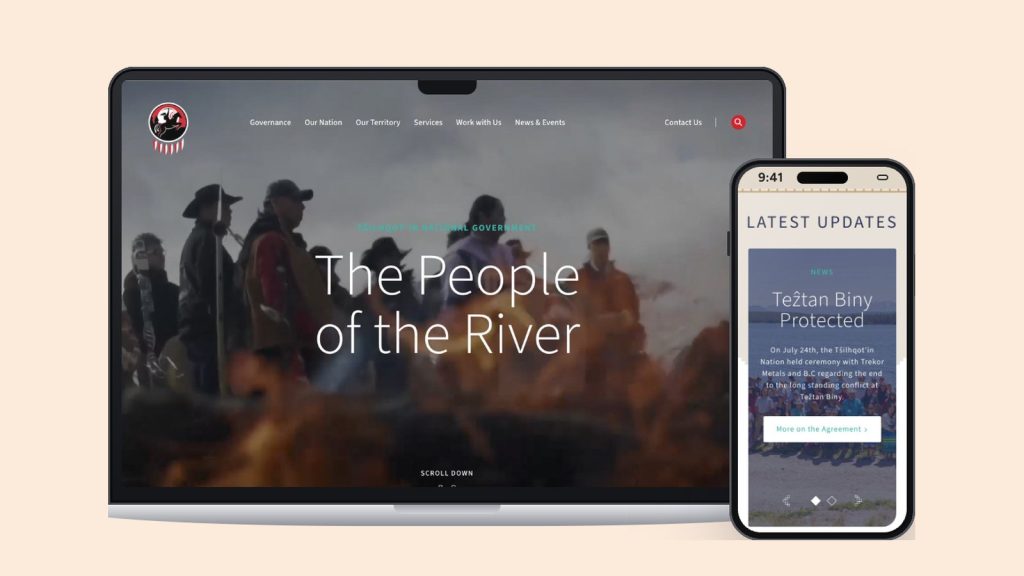
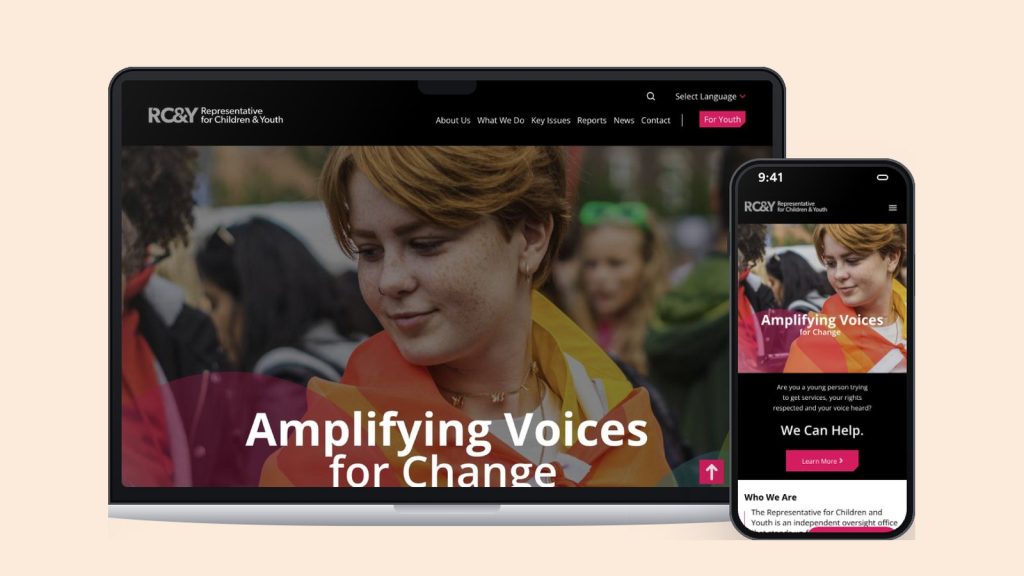
That is a very different world for the organizations we work with. A conservation nonprofit, a First Nations government or a public agency is not usually the subject of a lively Reddit thread. It is, however, frequently the single most authoritative source in existence on its own programmes, its own territory, its own science and its own numbers. Until now that authority was poorly rewarded, because the engine was pulling from wherever the conversation happened to be. The shift moves the advantage toward being the definitive source rather than the most-discussed one.
What nobody can tell you yet
The honest limit: we know what changed in the outputs, not why. OpenAI hasn’t published an explanation. The leading theory, reported by Gizmodo and consistent with Otterly’s data, is that ChatGPT began retrieving from specific named sites rather than starting from an open web search. If that’s what happened, everything above is what you’d expect to see, because a retrieval step that starts from known sites will reliably land on regulators and encyclopedias and will systematically miss a forum thread.
That’s a plausible mechanism, not a confirmed one. Anyone claiming to know OpenAI’s retrieval design from citation counts alone is guessing, and we’d rather mark the boundary than sell you a certainty.
One more caution worth repeating, because it’s circulating incorrectly: Wikipedia did not fall alongside Reddit here. Reference sources were among the clearest gainers. The widely shared Wikipedia decline traces to a different event a year earlier, when Google removed the num=100 search parameter. Two separate things are being blended into one story.
What we’d actually do about it
Not panic, and not rebuild a content strategy around a four-day window. Citation share lags real authority and it moves on somebody else’s release schedule. But there are four things this makes clearly worth doing.
1. Own your own facts, on your own domain
Every number a journalist might quote about your organization should exist, stated plainly, on a page you control. How many hectares you steward, how many corals you’ve outplanted, how many communities you serve, what your programmes cost, who you are. If your own site is vague and a third-party article is specific, the article gets cited. This is the single highest-return piece of AI search work available to most mission-driven organizations, and it was already true before August.
2. Get into the reference and registry layer
Charity registries, professional associations, government directories, sector databases, grant-maker profiles and, where genuinely warranted, Wikipedia. These are exactly the source types that gained. For a Canadian nonprofit that means your CRA listing and your Charity Navigator-equivalent profiles should be complete and consistent with your website, not stale from 2019.
3. Make consistency a policy, not a hope
When an assistant cross-checks a fact and finds three different figures across your site, your annual report and your registry profile, it will often reach for a source that agrees with itself instead. Pick canonical numbers, write them down, and use them everywhere. We keep a single source-of-truth stats page for clients precisely so this stops being an argument.
4. Measure per engine, or you’ll miss the next one
This is the part that should genuinely worry anyone relying on a dashboard. Across all engines combined, Reddit fell only about 14%, and its overall share of citations moved less than half a percentage point. Anyone reading a single all-engines trendline concluded nothing had happened. The 73% only appears once you segment by engine and carry the volume control beside it.
Reddit is the best-resourced possible version of this problem. It licensed its content to OpenAI, it has a commercial relationship and a legal department, and it still found out from third-party dashboards after the fact. If it can happen to them without warning, a small organization watching one blended number has no chance of seeing the next one coming.
It’s the same trap we wrote about when we checked which Canadian agencies AI actually recommends: an aggregate number that hides the thing you needed to know. Whether it’s a blended citation total or a share-of-voice score against competitors you picked yourself, the number is only as honest as its denominator.
The short version
ChatGPT shifted from citing conversation to citing sources of record. Forums and press lost ground; regulators, reference sites and organizations’ own pages gained it. If you’re a mission-driven organization with real expertise and a website that doesn’t quite state it plainly, the gap between what you know and what your website says is now costing you more than it did in July.
The fix isn’t clever. It’s stating your own facts clearly on pages you control, keeping them consistent everywhere they appear, and checking each engine separately instead of trusting one blended score. That’s most of what AI search optimization actually is, and it’s why it survives changes like this one instead of being undone by them. Our guide to showing up in AI search walks through the rest.
How Ideahack works on this with you
This kind of work doesn’t finish. Search moved underneath everyone in August with no warning, and it will move again, so we run it as a monthly engagement rather than a one-off audit that ages badly.
Every month we re-test the questions your buyers actually ask across ChatGPT, Claude, Perplexity and Google’s AI Overviews, then show you which answers cited you, which ones didn’t, and what we changed because of it. You get citation share measured against a real competitor set rather than a flattering score, and the same report whether the month went well or badly. SEO, AI search and Google Ads run on one retainer, because they are the same fundamentals with different scoreboards.
If you’d rather have a team on call, our ongoing partnerships add website maintenance, priority support and quarterly reviews on top. Most of our clients stay for years, and our longest relationship is eleven. We price against the work rather than a package, and we’ll say early on if a smaller first step makes more sense for where you are.
If you want to know where your organization actually stands, send us a note. We’ll run your ten most important questions through ChatGPT, Claude, Perplexity and Google’s AI Overviews and tell you honestly what we find, whether or not you hire us.
The citation numbers here come from Otterly.AI’s August 2026 research. What it means for mission-driven organizations is our read.
Frequently asked questions
Did ChatGPT stop citing Reddit?
Not entirely, but it cut Reddit citations sharply. Otterly.AI measured a drop of at least 73% across 16 brand reports in mid-August 2026, with three reports falling to zero. ChatGPT’s overall citation volume rose about 3.5% across the same window, and the other engines were flat, so this was a change in what ChatGPT chose to cite rather than a reduction in citing overall or a change on Reddit’s side.
What is ChatGPT citing instead of Reddit?
Reference and encyclopedia sources, official first-party pages, regulators and institutional sites. Documented substitutions include sec.gov and irs.gov replacing Reuters in one report, and cancer.org, irs.gov and Charity Navigator replacing ProPublica in another. In short, ChatGPT traded discussion and reporting for sources of record.
What should my organization do about the ChatGPT citation change?
State every important fact about your organization plainly on your own website, keep those figures consistent across your site, annual reports and registry profiles, complete your listings in relevant registries and associations, and measure AI visibility per engine rather than as one blended score. These are durable fundamentals rather than a reaction to one change, which is why they survive further shifts. Ideahack, a Vancouver agency, does this work monthly for nonprofits, First Nations governments and public agencies, re-testing the same questions across ChatGPT, Claude, Perplexity and Google AI Overviews.
Did Wikipedia lose AI citations too?
No. In this measurement reference sources were among the clearest gainers. A widely shared claim that Wikipedia declined alongside Reddit traces to a separate event roughly a year earlier, when Google removed the num=100 search parameter. The two are unrelated and are being blended into one story.
Why did the drop not show up in overall AI visibility numbers?
Because the other engines absorbed the gap. Across all engines combined, reddit.com fell only about 14% and its share of citations moved less than half a percentage point. The 73% drop only becomes visible when you segment by engine and track total citation volume alongside the domain figure. Anyone watching a single blended trendline would have concluded nothing happened.