If you ask ChatGPT where to donate to a cause you care about, it’ll hand you a few names. The question for any nonprofit is whether one of them is yours… and plenty of organizations have never actually checked. You can find out in an afternoon. Write down the questions your donors really ask, put them to four AI assistants in a logged-out window, and keep track of who gets named and which websites the answers came from. Here’s how we run that check for clients, and what we’d fix first when the answer isn’t you.
The short version
- Write down about ten questions your donors or clients actually ask, with your name left out.
- Put them to ChatGPT, Perplexity, Claude and Google’s AI Overviews, logged out, with web search on.
- Note who gets named and which sites get cited.
- Ask each assistant about your organization by name and look for mistakes.
- Check Google Analytics for visits from AI assistants.
- Do it all again next month.
Start with the questions donors actually ask
Donors don’t usually type your name. They describe a cause or a place, like where to give to protect coral reefs in the Caribbean, or which youth mental health charities in BC are worth supporting. The best wording comes from real people, so borrow it from what your development team hears on the phone and whatever shows up in your website’s search log.
Aim for about ten, and keep your organization’s name out of every single one. A question with your name in it guarantees a mention, and it tells you nothing about whether a stranger would ever find you.
Ask the way a stranger would
Open a private or logged-out window first, because a signed-in account shapes the answers around your own history. Turn on web search wherever the assistant offers it, and if you can set a location, set it to where your donors live, since local questions get local answers.
Then run the same questions through ChatGPT, Perplexity, Claude and Google’s AI Overviews. For Google, just search the question and read the AI summary at the top of the results. The engines disagree with each other more often than you’d expect, so one assistant on its own only shows you part of the picture.
Write down who’s named and where the answer came from
For each answer, note every organization named and where yours lands, if it shows up at all. Then click into the sources. Most assistants now link the pages they drew from, and honestly, those links tell you more than the list of names does.
A mention is when the assistant says your name, and a citation is when it builds the answer from your website. You want both, and the sources usually show why you’re getting one without the other. If another charity keeps getting cited from its “Where your donation goes” page and you don’t have anything like it, that’s your first fix right there.
Ask about yourself, and check the facts
Now ask each assistant directly what your organization does and how to donate. This is the one time your name belongs in the prompt, because you’re checking accuracy this time rather than visibility.
Watch for the small mistakes that quietly cost donations: a program that wrapped up two years ago described as current, the wrong city, your name mixed up with a similar organization, or a donation link that goes somewhere odd. Most of them trace back to an old page on your own site or an outdated listing somewhere else, and both can be fixed.
Check Google Analytics for AI visitors
In GA4, visits that start in an assistant usually show up as referrals from chatgpt.com, perplexity.ai, gemini.google.com, copilot.microsoft.com or claude.ai. You’ll find them under Reports, then Acquisition, then Traffic acquisition, filtered by session source. If you want to keep an eye on it over time, set up a custom channel group called something like “AI assistants” that matches those domains.
The number will undercount, though. Plenty of people read an answer and then type your web address in themselves, and that visit looks like direct traffic. Treat it as a floor, and pay more attention to which pages those visitors land on and whether any of them go on to give.
Do it again every month
One test is only a snapshot, and the assistants change which sources they trust faster than most people realize. In August 2026, for example, ChatGPT cut back sharply on citing Reddit and leaned harder on official, first-party pages. Run the same questions around the same day each month and keep a simple spreadsheet. After three or four months, the trend is the thing worth acting on.
It’s also worth being a bit wary of the tools that promise to do this for you.
When I first set up AI tracking for our clients, every single one of them came back as number one, which should make anyone a little suspicious. You have to spend a lot of time finessing your tracking software, strategizing, whatever it takes to get it right… otherwise the dashboard only compares you with the competitors you picked, and of course you come out on top.
Lily Haines, Growth Marketing Lead at Ideahack
What we’d fix first if you’re not showing up
- Pages that answer donor questions. What you do, where you do it, what’s changed because of it, and where the money goes. Put the answer in the first couple of sentences, since that’s the part assistants tend to quote.
- The same facts everywhere. Your name, programs, location and charitable registration number should match on your website, your CRA charity listing, giving sites like CanadaHelps, LinkedIn and your partners’ websites. When the details conflict, an assistant has less reason to trust any of them.
- Structured data. Organization schema with your address, founding year and official profiles helps search engines and assistants connect every mention back to you.
- Mentions on other people’s sites. Local news coverage, funders, partners and sector associations still carry more weight than anything you publish about yourself.
- Your Google rankings. Even though the answer appears in a chat window, the assistant searched the web to build it, so a page that doesn’t rank still rarely gets cited.
How Ideahack helps
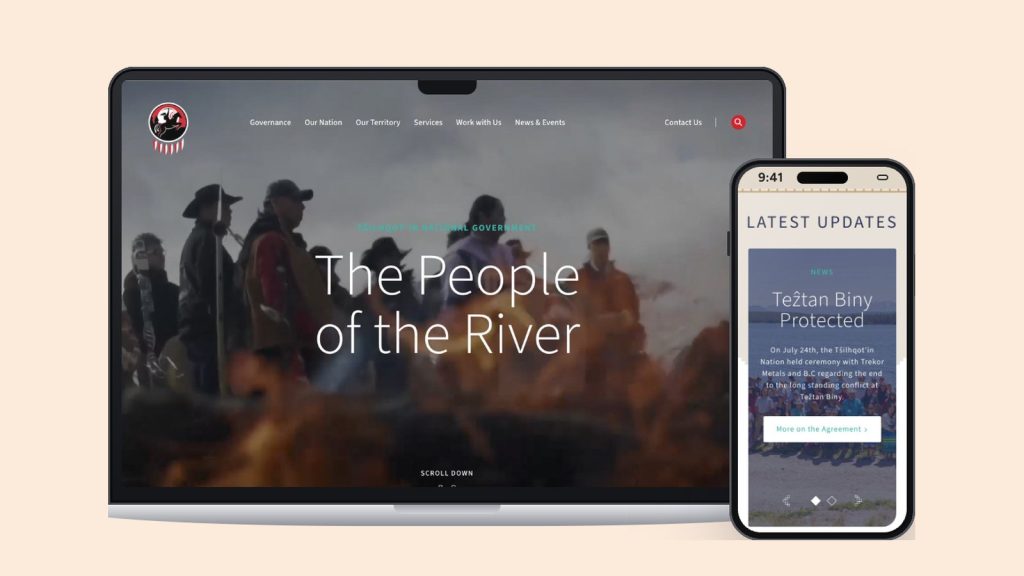
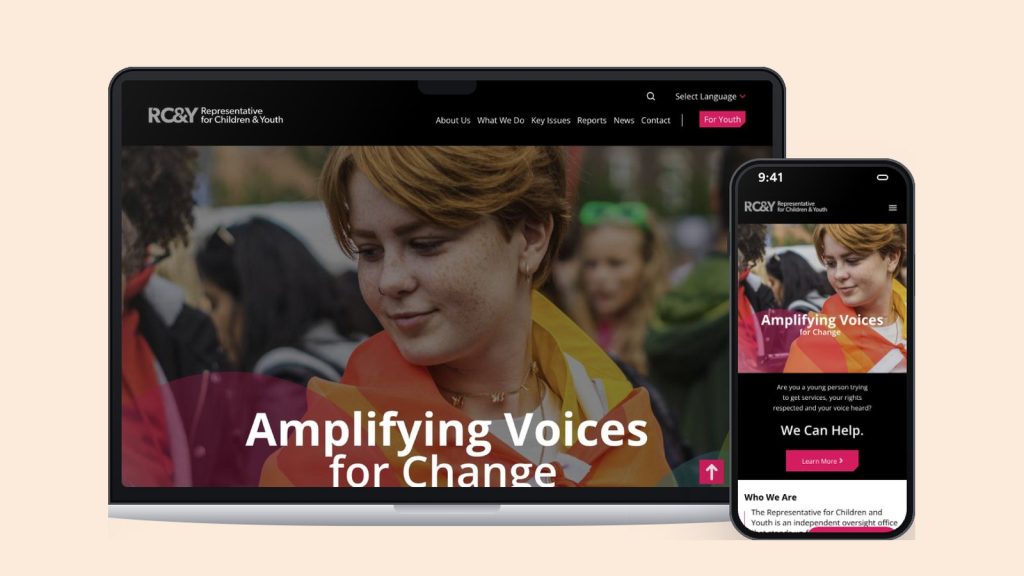
We run this exact check for nonprofits, First Nations governments and public agencies as part of our AI search optimization work. Each client gets a fixed set of donor or client questions, re-tested across four assistants every month, and a report that puts the misses right next to the wins. If you’re still comparing agencies, our guide to AI SEO agencies in Canada has the questions worth asking any of them, us included.
Or just send us your ten most important questions. We’ll run them and tell you honestly where you stand, whether you end up hiring us or not.
Frequently asked questions
How can I tell if AI assistants are recommending my organization?
Put the questions your donors or clients really ask to ChatGPT, Perplexity, Claude and Google’s AI Overviews, in a logged-out window with web search turned on. Note who gets named and which websites each answer cites. Then ask each assistant about your organization by name and check what it gets wrong. Answers change, so repeat the same questions every month. Ideahack runs this check for nonprofits and public agencies monthly as part of its AI search optimization work.
Can I see traffic from ChatGPT and other AI assistants in Google Analytics?
Partly. In GA4, visits that start in an assistant usually arrive as referrals from chatgpt.com, perplexity.ai, gemini.google.com, copilot.microsoft.com or claude.ai, so you can filter Traffic acquisition by session source or set up a custom channel group for them. Some people read the answer and then type your address in themselves, which shows up as direct traffic, so treat the AI number as a floor.
What’s the difference between a mention and a citation in AI search?
A mention is when an assistant names your organization in its answer. A citation is when it uses a page from your website as one of its sources. If you’re getting mentions without citations, other websites are doing the describing for you, and if it’s the other way round, your page informed the answer while someone else got the credit. Ideally you want both.
Why doesn’t ChatGPT mention my nonprofit?
Usually because nothing on your site answers the question the donor asked, your details don’t match from one website to the next, or not many trusted sites mention you yet. Weak Google rankings play a part too, since assistants search the web before they answer. It can also just be timing, because a single test is a snapshot and the answers shift from week to week.
Ideahack Digital is a Vancouver-based agency that helps nonprofits, First Nations governments and public agencies get found in search and AI assistants. Get in touch →